Size and number of windows
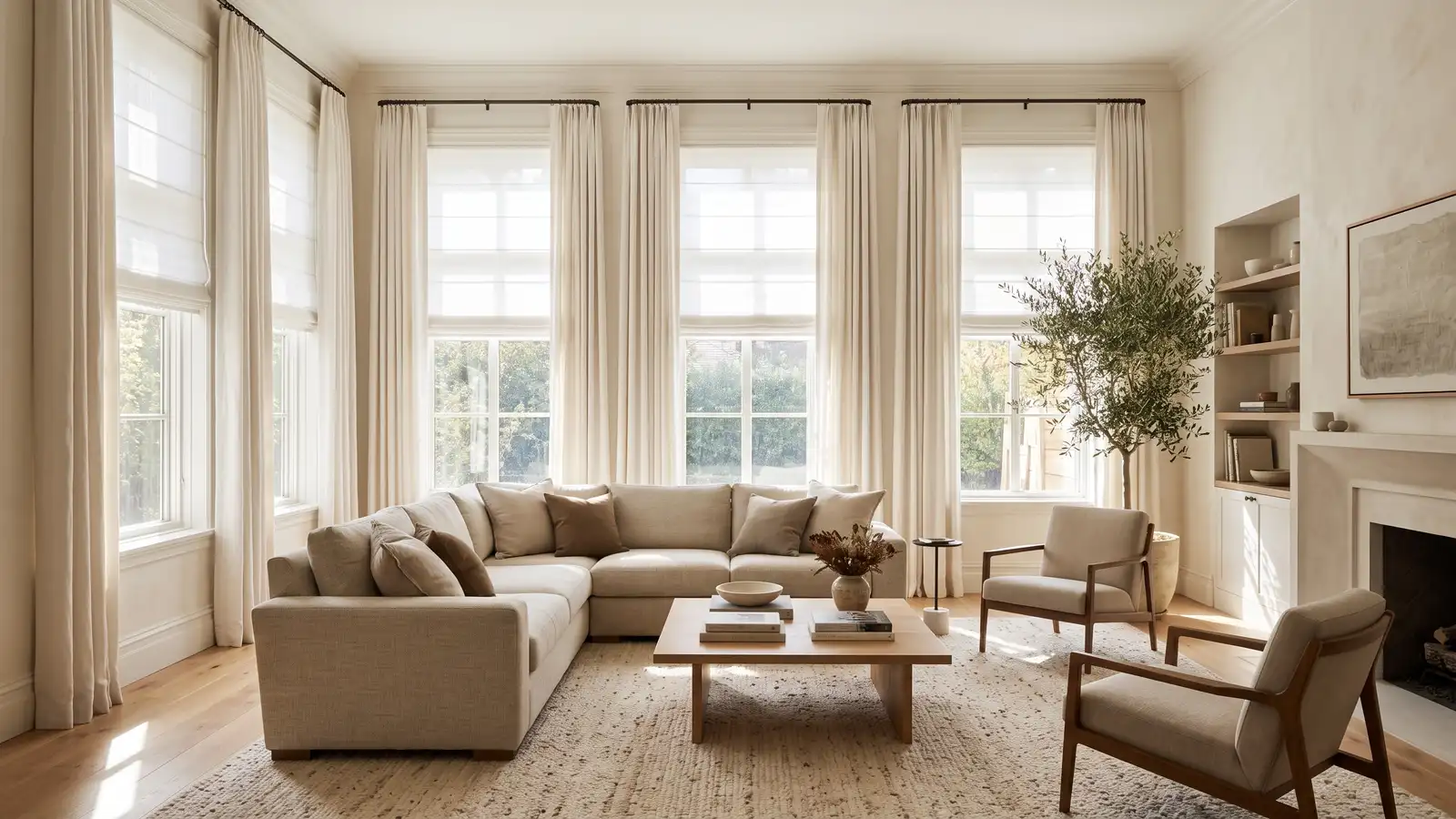
Larger windows use more material, and many windows add up quickly. A single tall window can cost more than two small ones.
Many Nashville homeowners start by counting windows and ranking rooms by priority.
We help you separate must-have rooms from nice-to-have rooms so the plan fits your goals.
Product and style
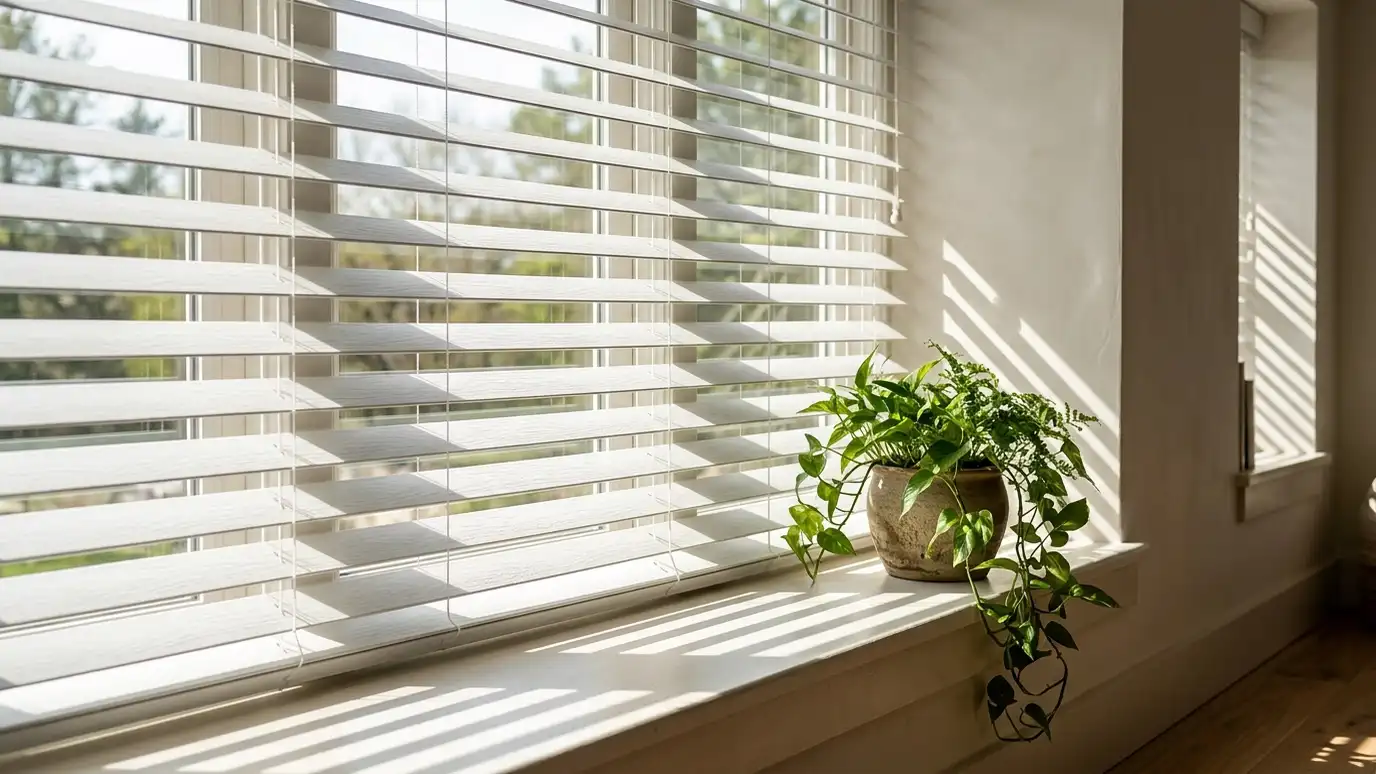
Blinds, shades, shutters and drapery differ in how they are made and what they cost. Shutters take more material and labor than most blinds, and drapery depends on fabric and fullness.
Within each style, options such as cordless lifts, top-down features and lining change the total.
We show side-by-side options so you can see what each upgrade adds.
Fabric and finish
Premium fabrics, natural materials and special finishes cost more than basic ones. Patterns and wide widths can add to fabrication cost.
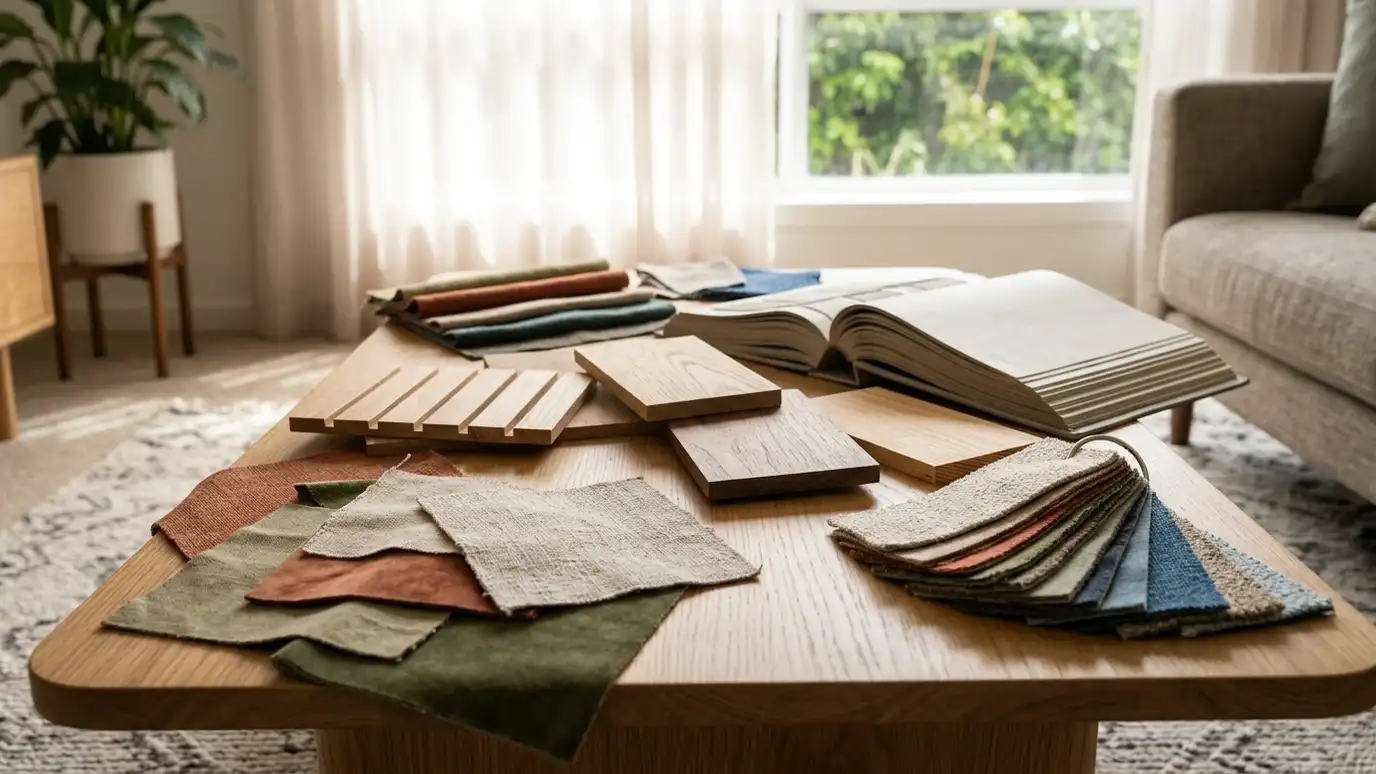
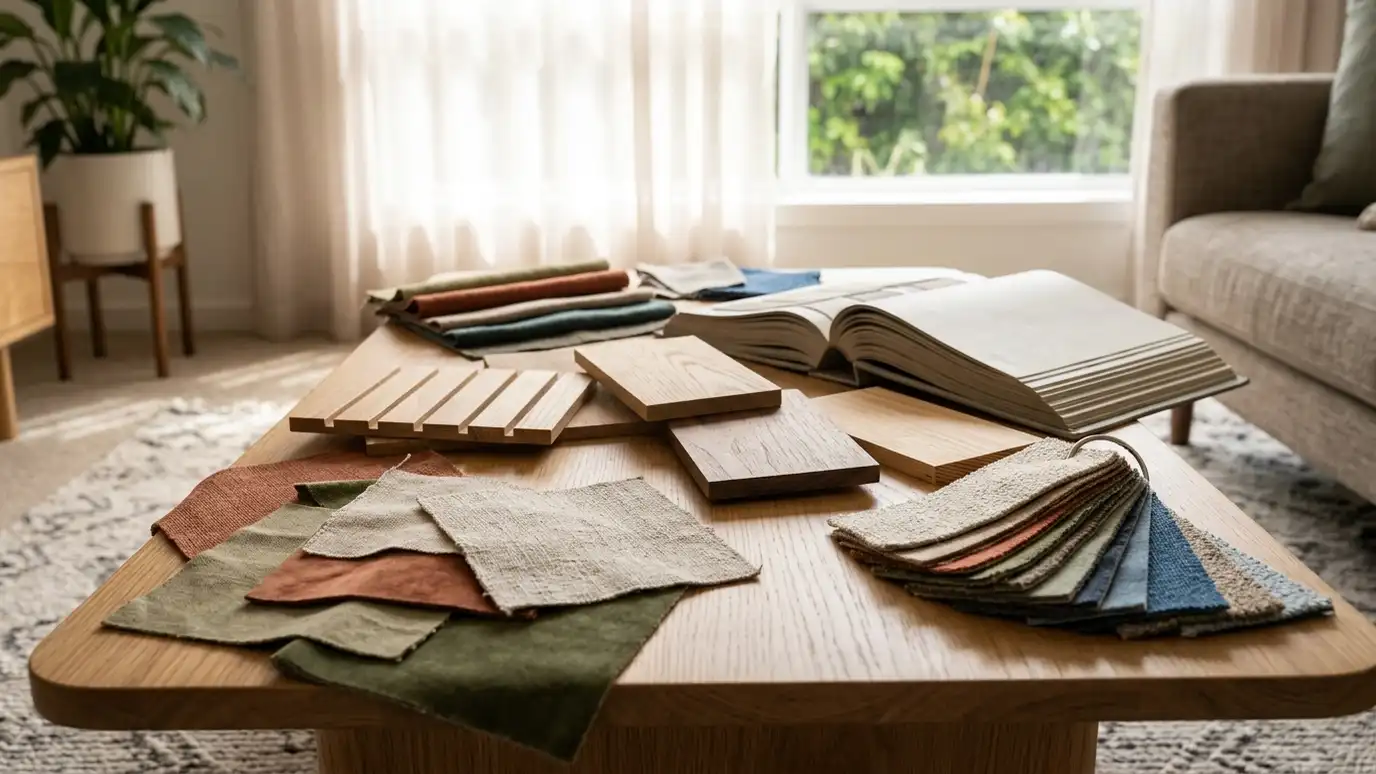
Samples let you see whether a higher grade is worth it in your light.
We explain which choices matter most for looks and which are simple swaps.
Motors and controls
Motorization adds a motor, a power source and controls to each treatment. Battery, solar and wired systems differ in setup and upkeep.
A hub, a keypad or an app can add to the system cost but make it easier to use.
We plan the whole system so you do not pay for pieces you will not use.
Shapes and difficult windows
Arches, angles, bays, skylights and very large windows need careful templates or special parts. They often take longer to make.
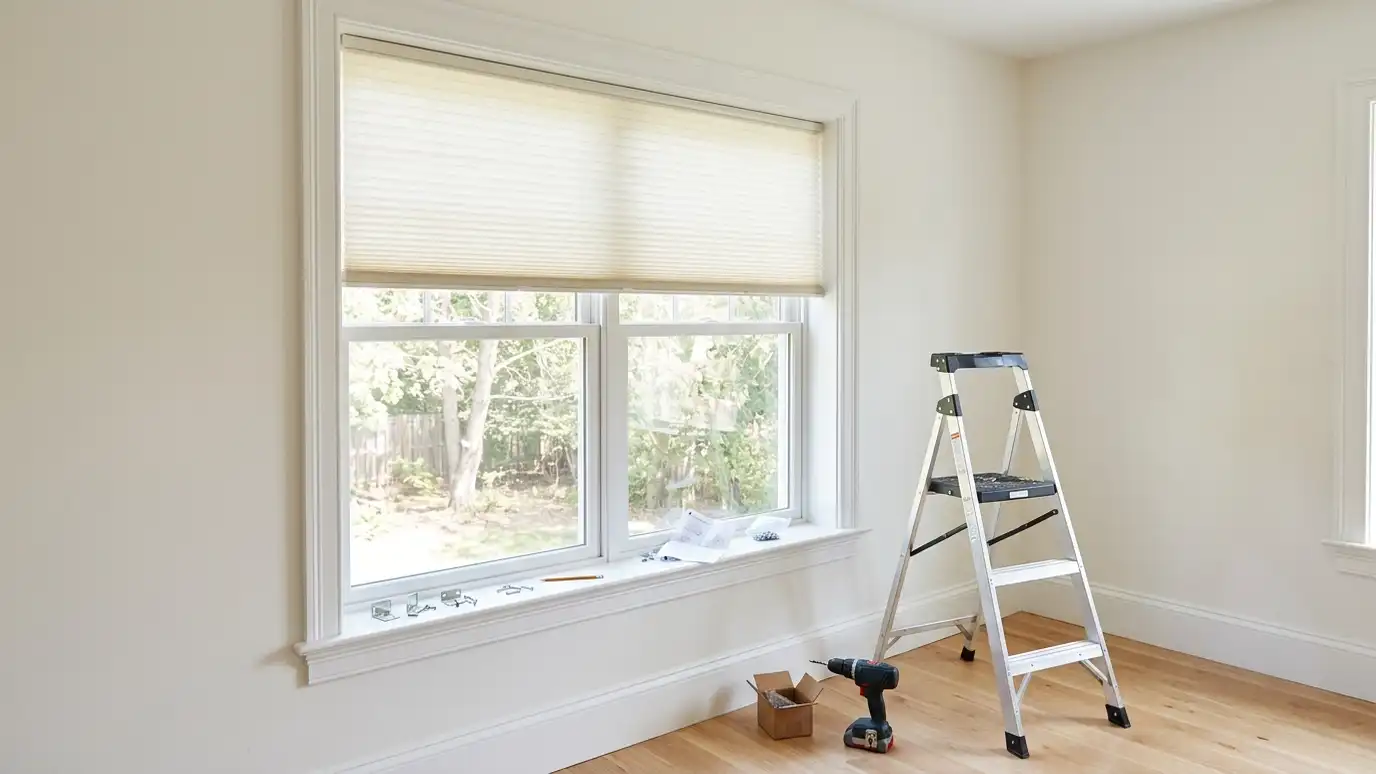
Tall windows and hard-to-reach spots can raise installation time.
We note these conditions in the estimate so there are no surprises.
Comparing quotes fairly
Ask each company for the same details: products, sizes, fabrics, lift types, mounts, installation and lead times. A lower number that leaves out measuring or installation is not a bargain.
Our budget planner and quote scorecard help you line up quotes using your own priorities.
Compare the scope before the total: measuring, products, lift systems and installation should be written down in every quote.