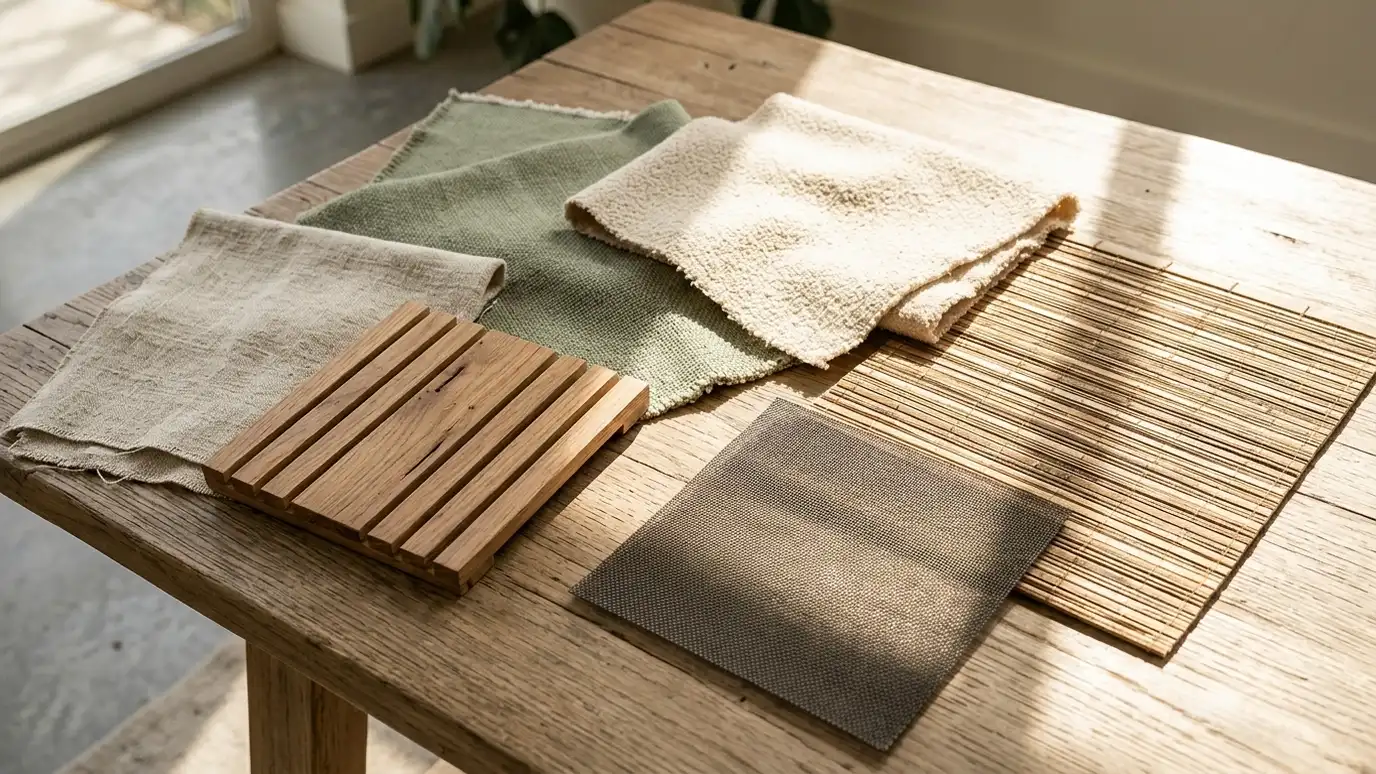
How fabrics, wood, composite and metal behave in sun, humidity and daily use, with ways to protect floors and furniture from UV fading.
Fabrics and materials look similar on a sample and behave differently in a window. Sun fades color, humidity warps wood and daily use wears edges. Homeowners in Nashville ask how to choose materials that look good and last in their own rooms.
Performance fabrics resist fading and wipe clean, natural fibers add texture and need gentler care, wood suits dry rooms and composite and vinyl suit humid ones. Tight weaves, linings and film reduce UV that reaches furniture. We bring large samples and explain what each one does over time.
Sun fades fabric and floors.
Performance to natural.
Wood versus composite.
Protect face fabric.
Reduces UV through glass.
Right cleaning method.
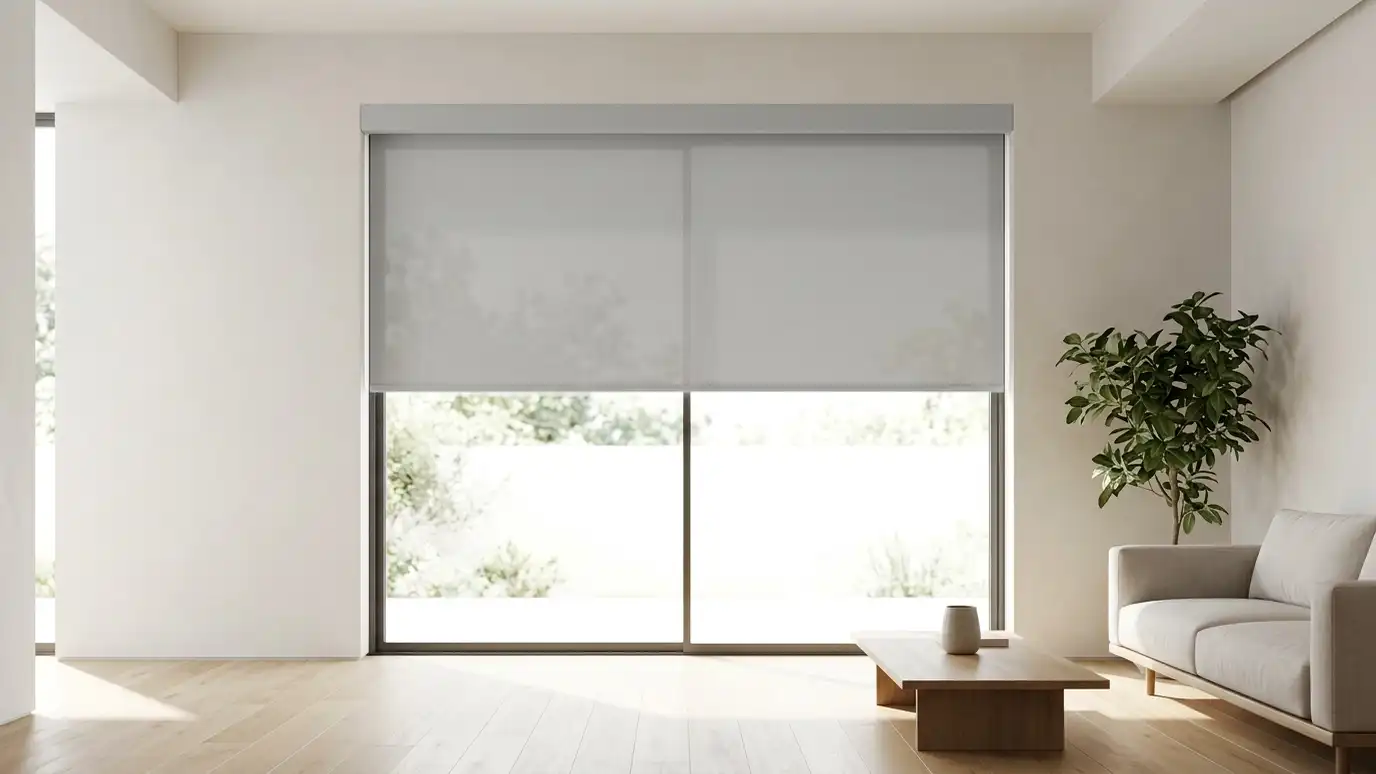 Roller ShadesRoller shades in a wide range of fabrics, from sheer solar screens to full blackout, with clean lines…Explore
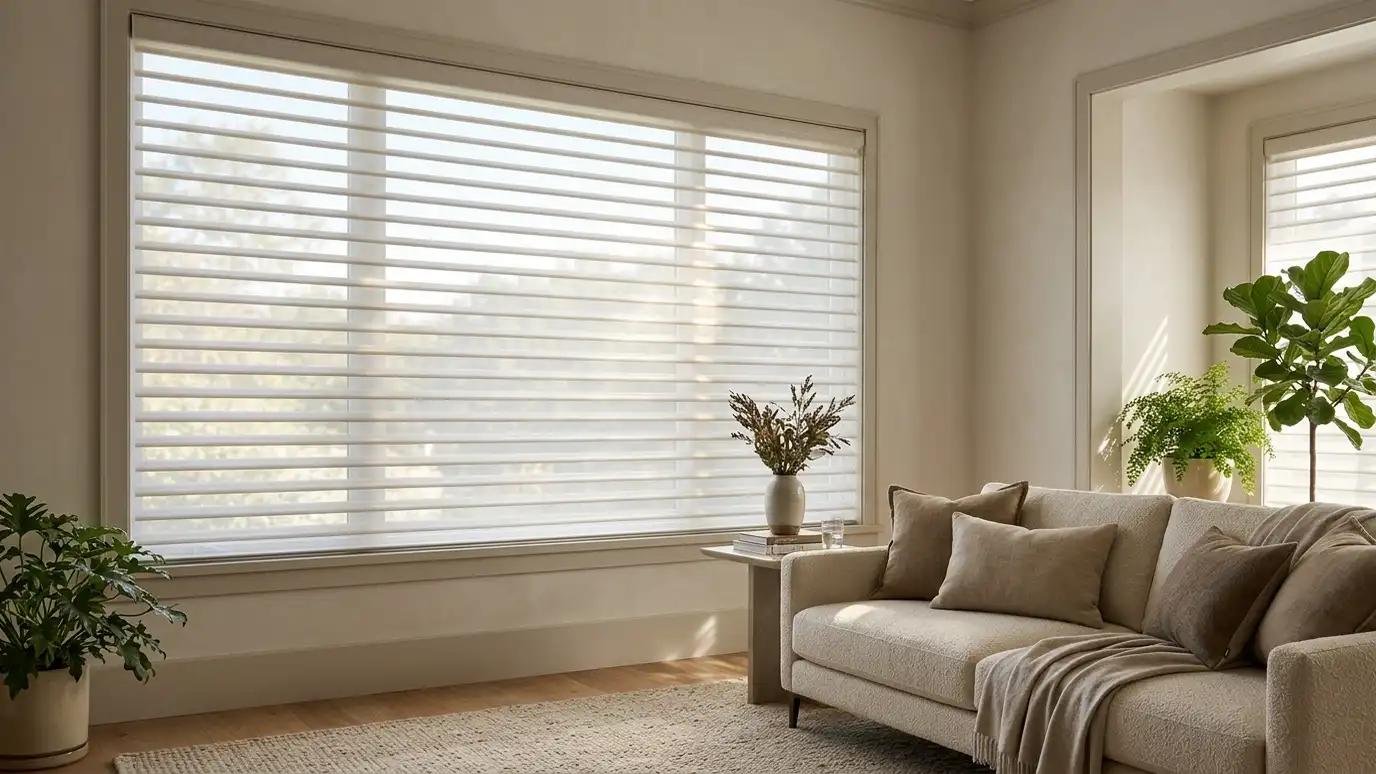 Sheer and Banded ShadesSheer and banded shades with soft fabric vanes between sheer layers that tilt to filter daylight, giving the…Explore
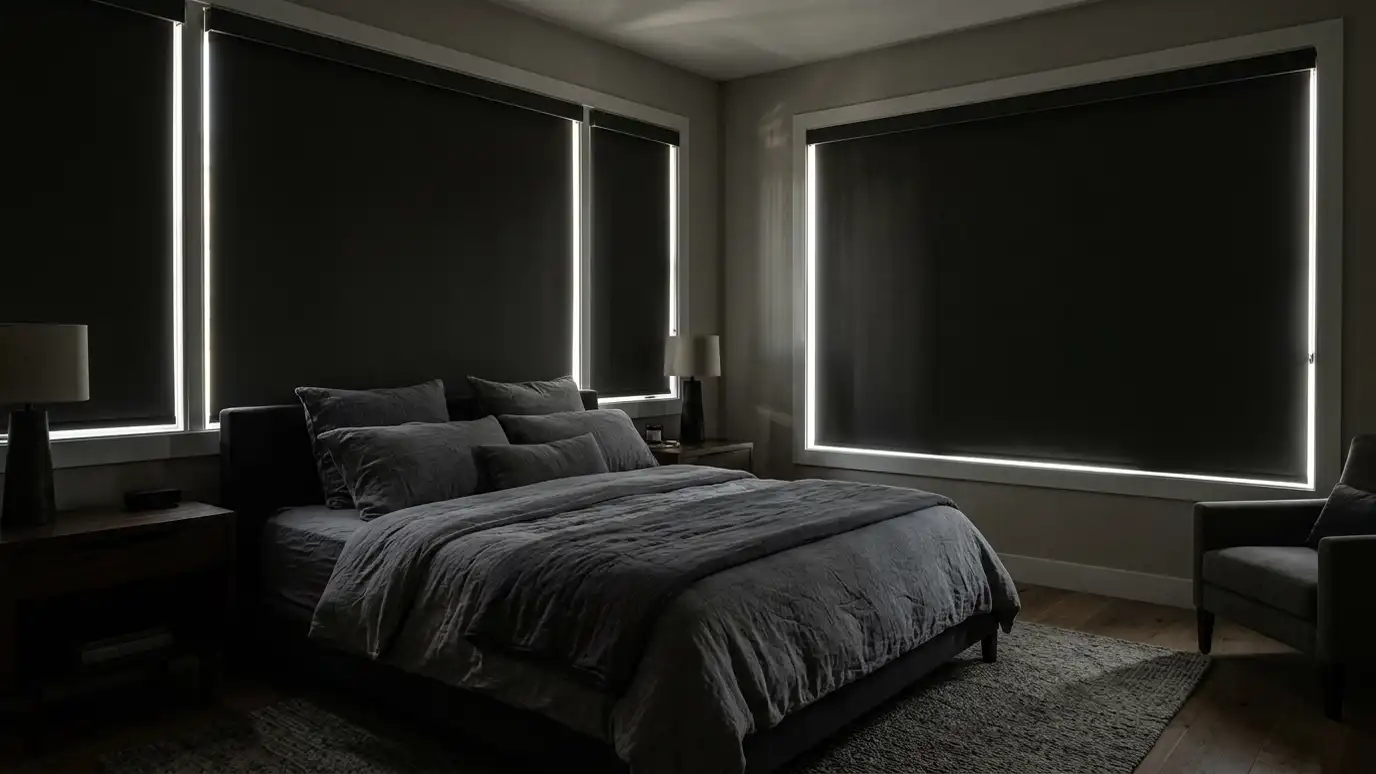 Blackout ShadesBlackout shades in roller, cellular and Roman styles with opaque fabrics and optional side channels, for bedrooms, nurseries…Explore
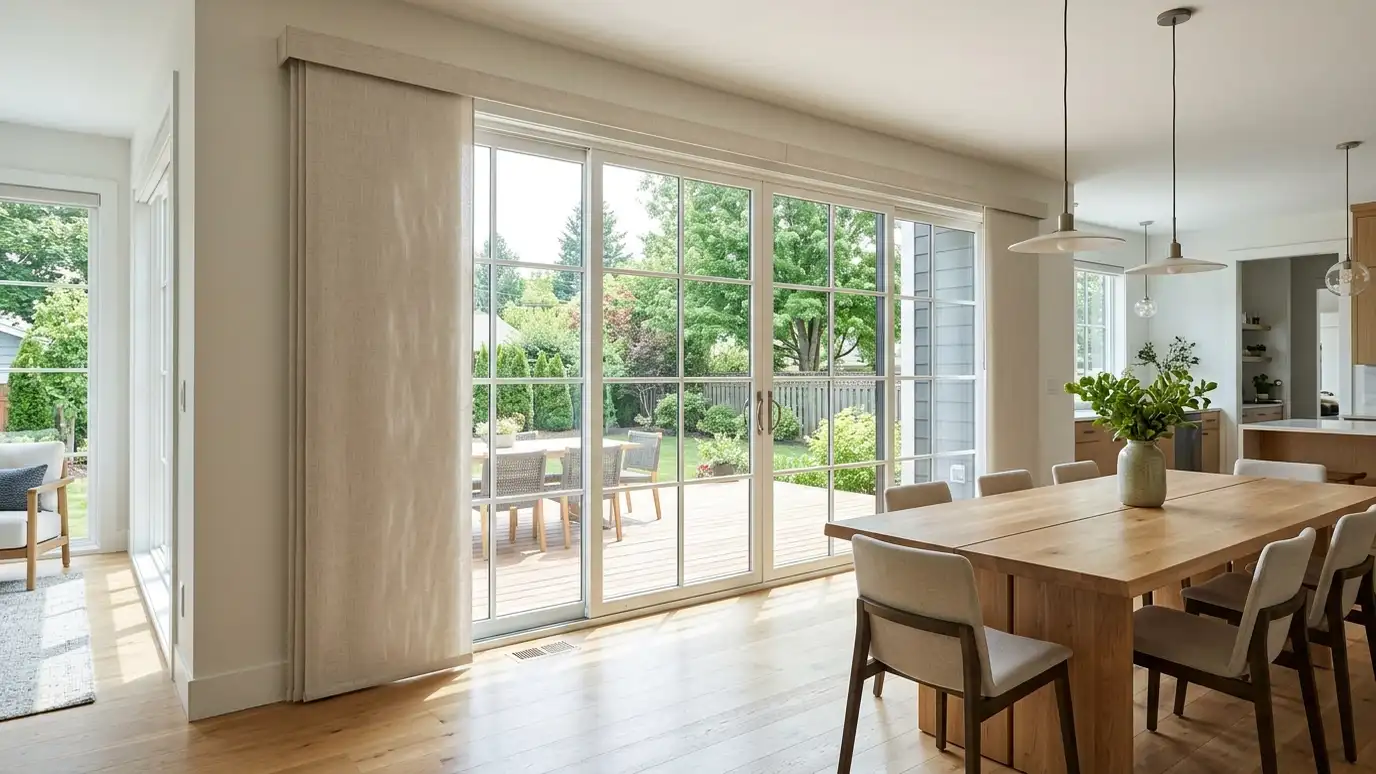 Panel Track ShadesSliding panel and panel track shades with wide fabric panels that glide on tracks across sliding doors, large…Explore
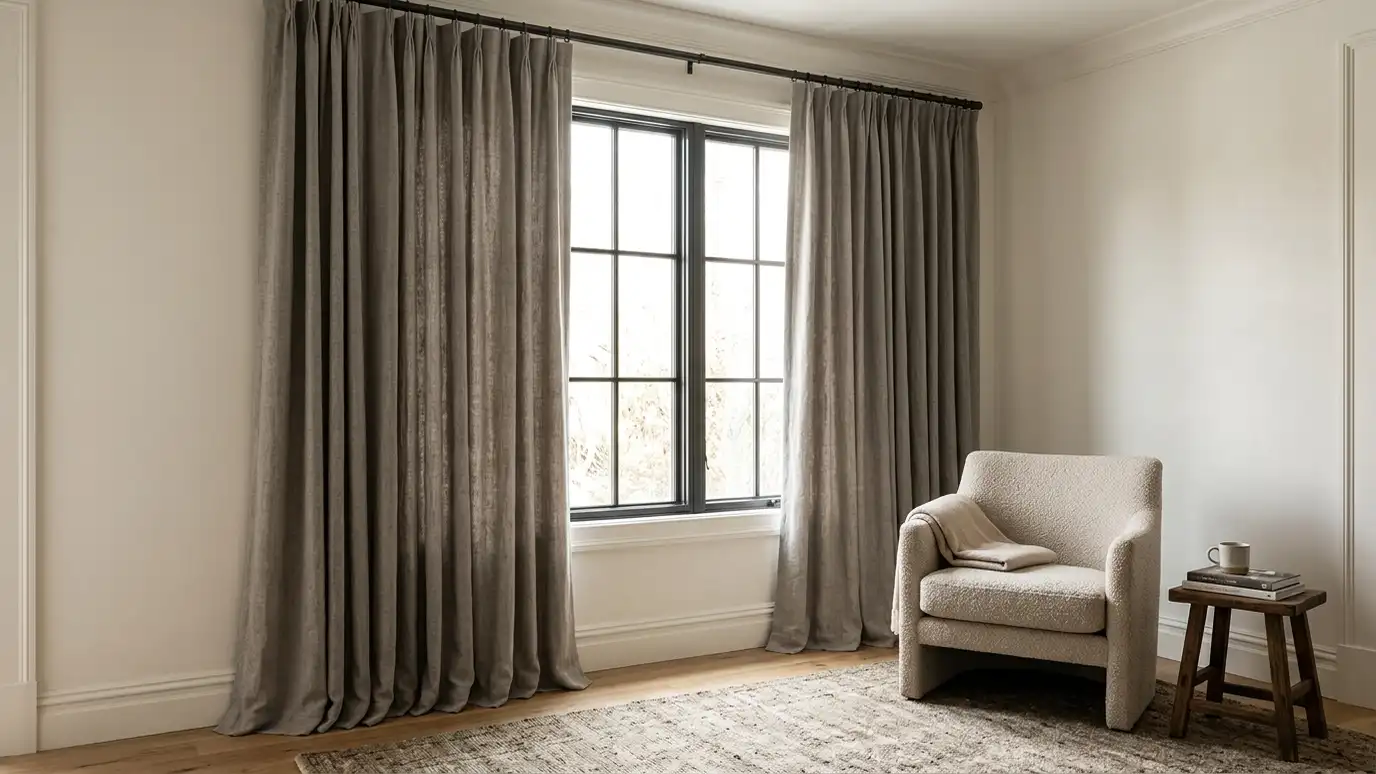 Custom DraperiesCustom draperies made to your measurements in linen, velvet, cotton and blends, with pleats, lining and hardware that…Explore
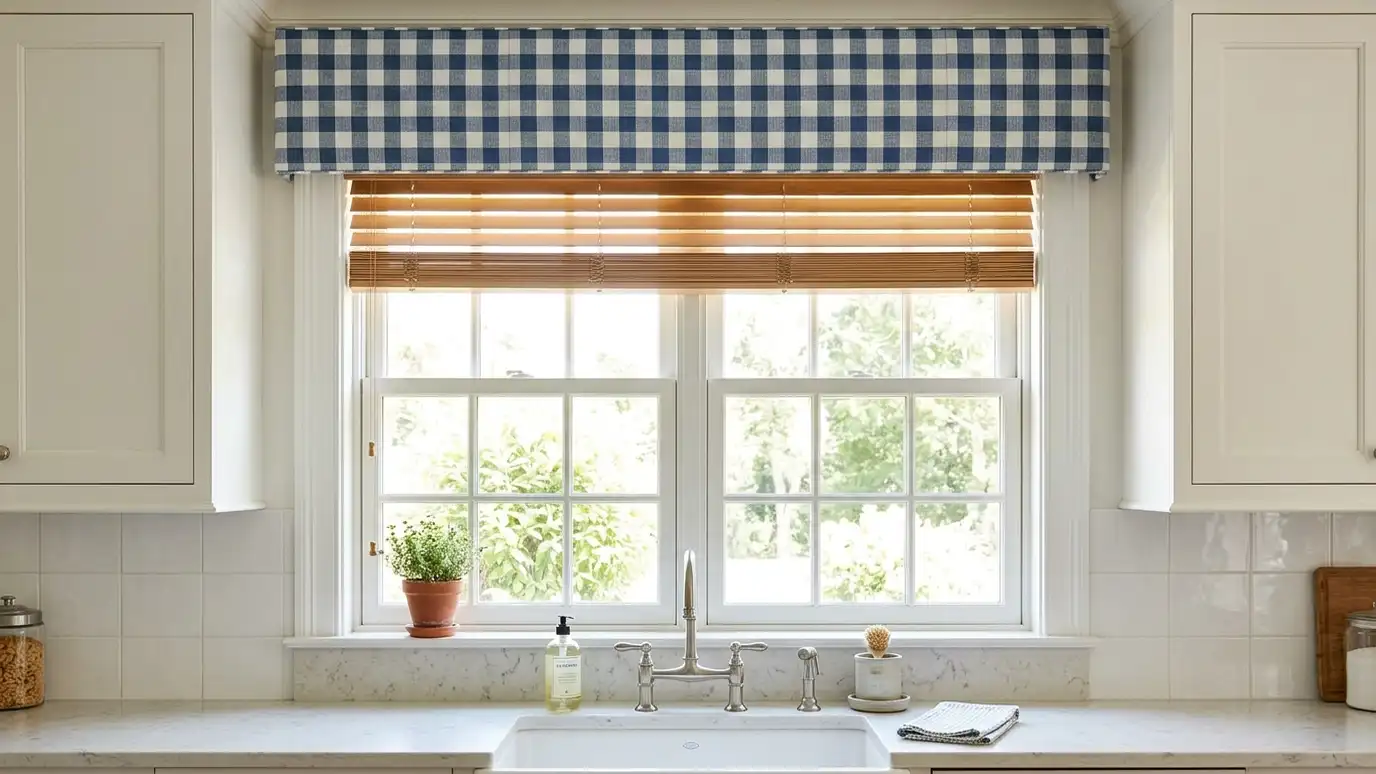 Valances and CornicesValances and cornice boards in fabric, wood and upholstered styles that top a window, hide hardware and add…Explore
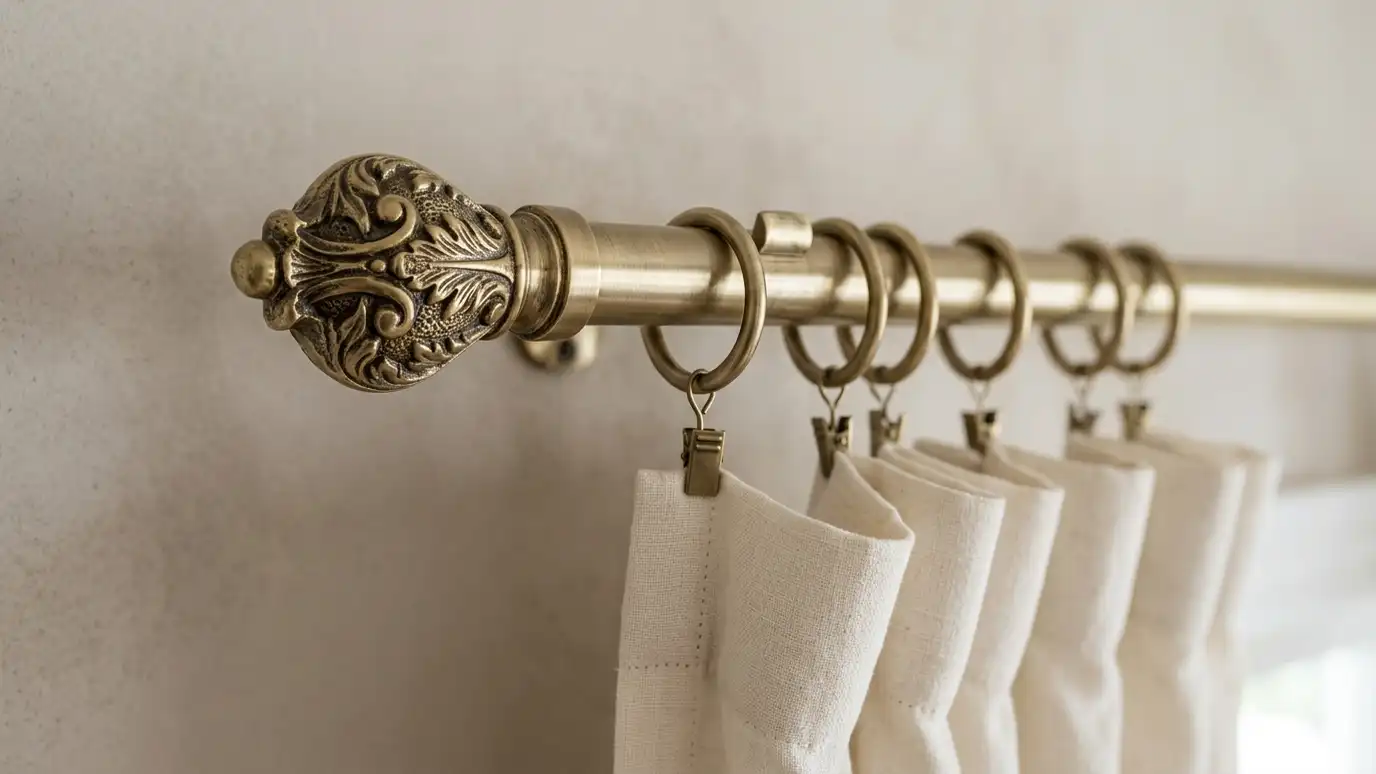 Rods and HardwareDrapery rods, brackets, finials, rings and tracks in metal and wood finishes, sized for the weight of your…Explore
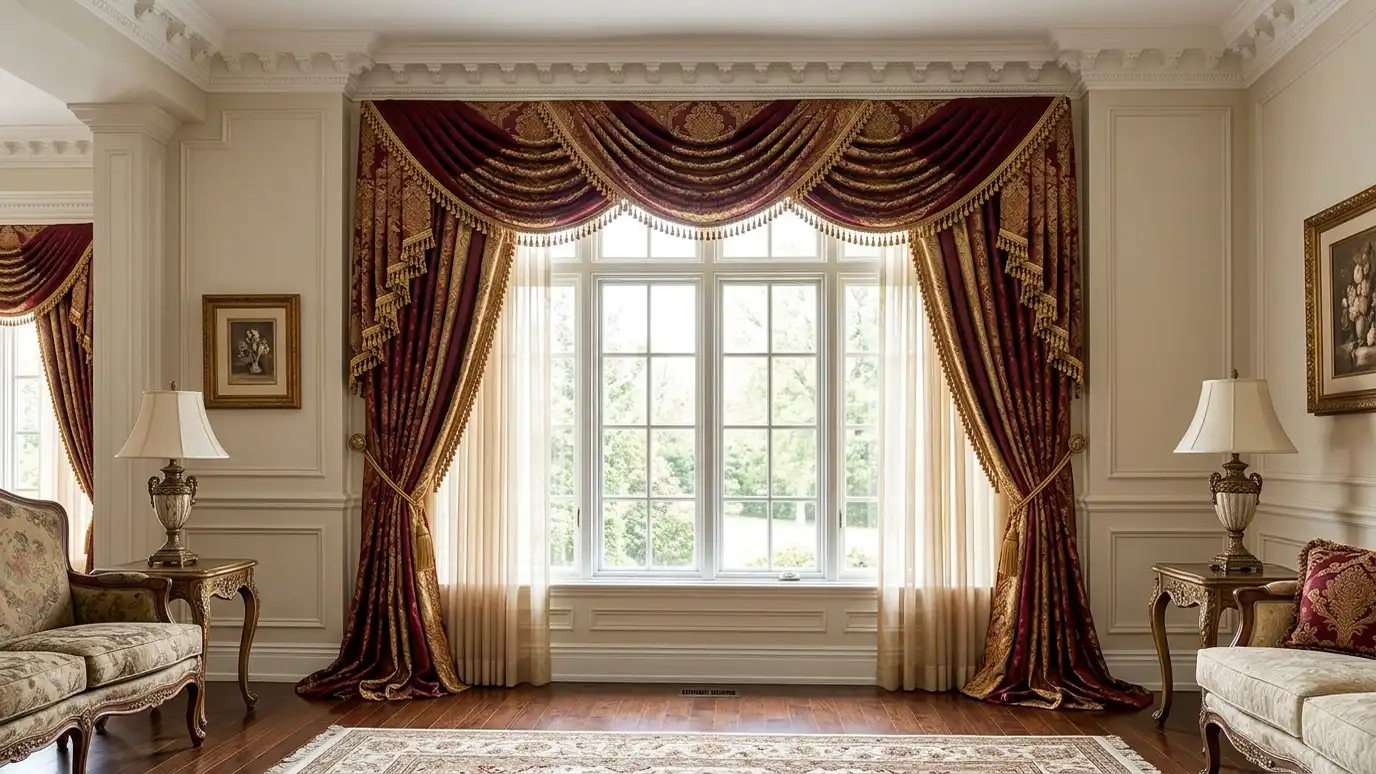 Swags and Top TreatmentsSwags, jabots, pelmets and other top treatments that frame a window with fabric shapes, adding formal or traditional…Explore
Design your windows, size them or ballpark a budget.
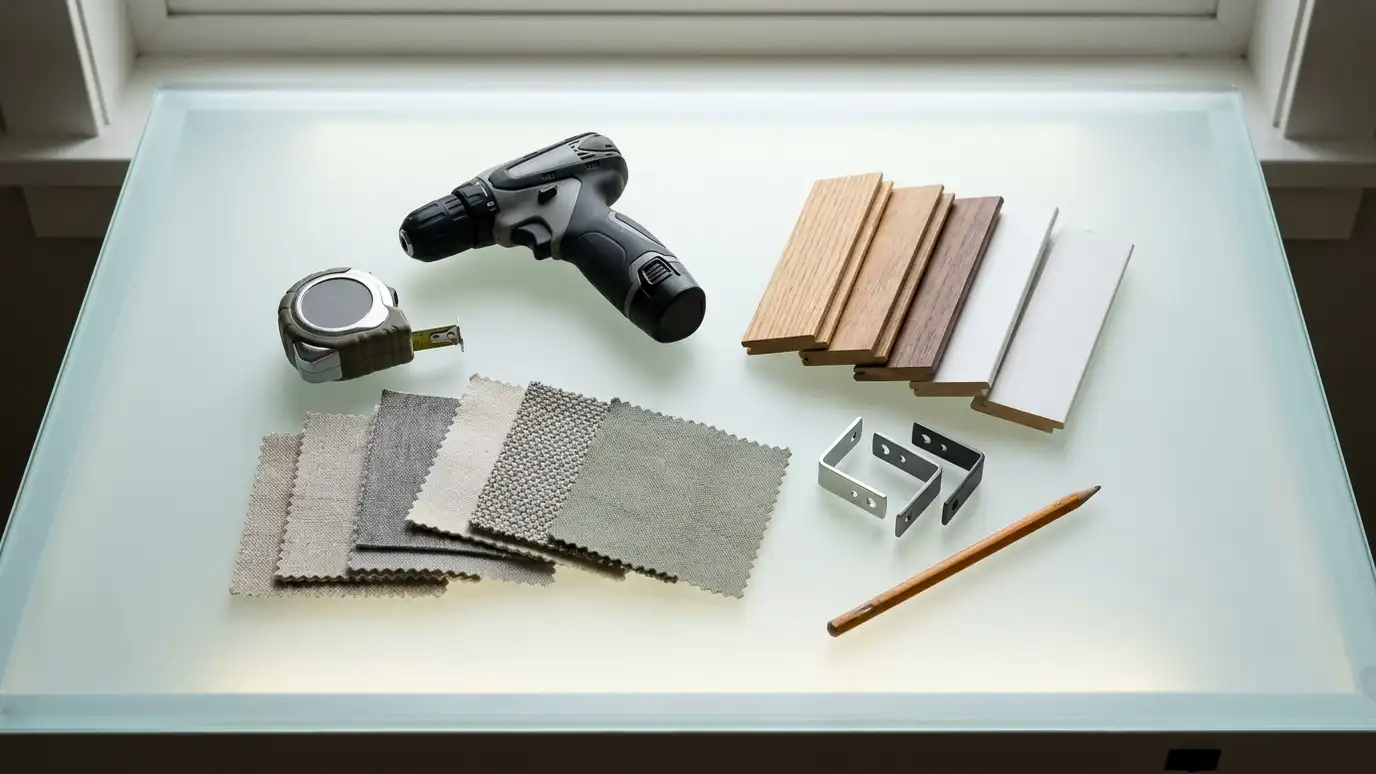 Window Treatment Design StudioPick the room, window style, treatment, color, mount, valance and motor options, set the window size and watch your window update, then send the design to us.Try it
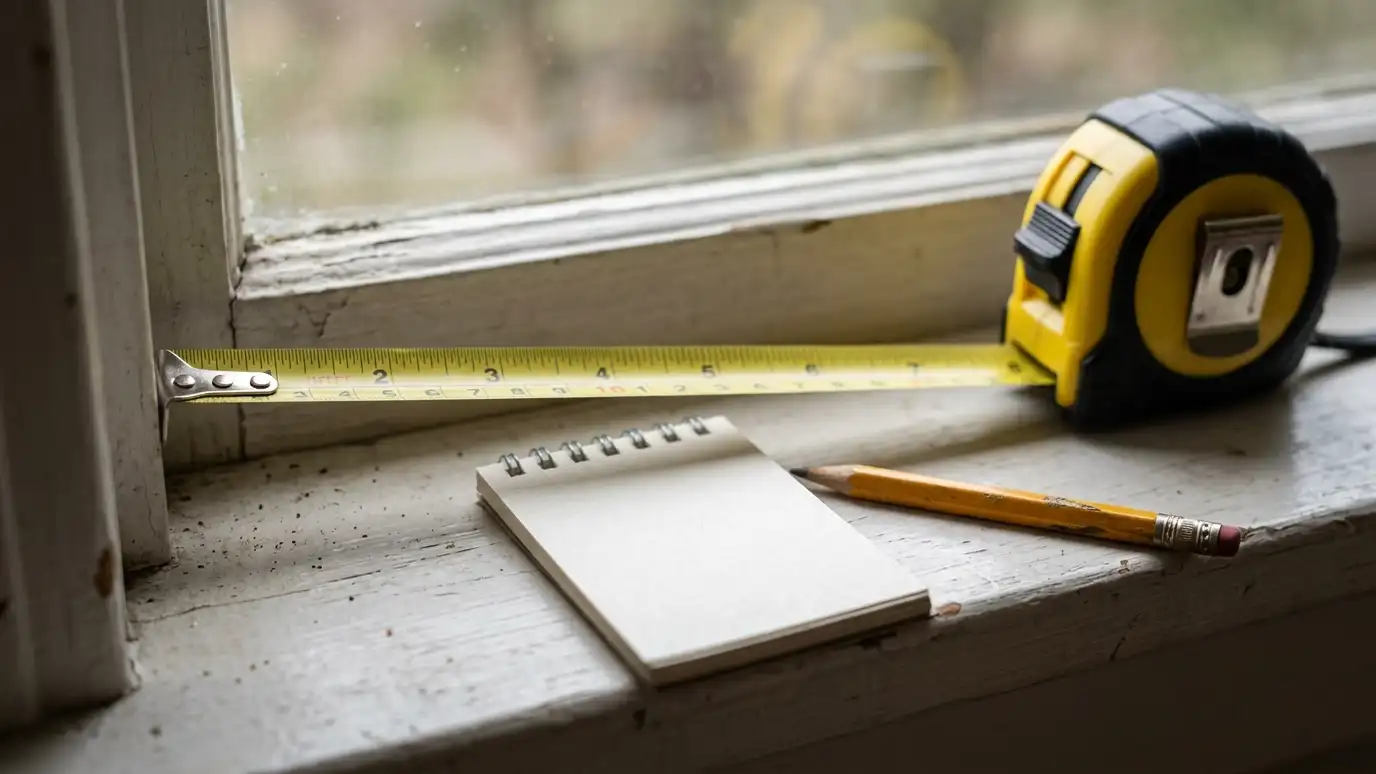 Window Size and Mount PickerPick the room and what you want from your windows, enter the window size and see an inside or outside mount suggestion, the clearances to check and the treatments that usually fit.Try it
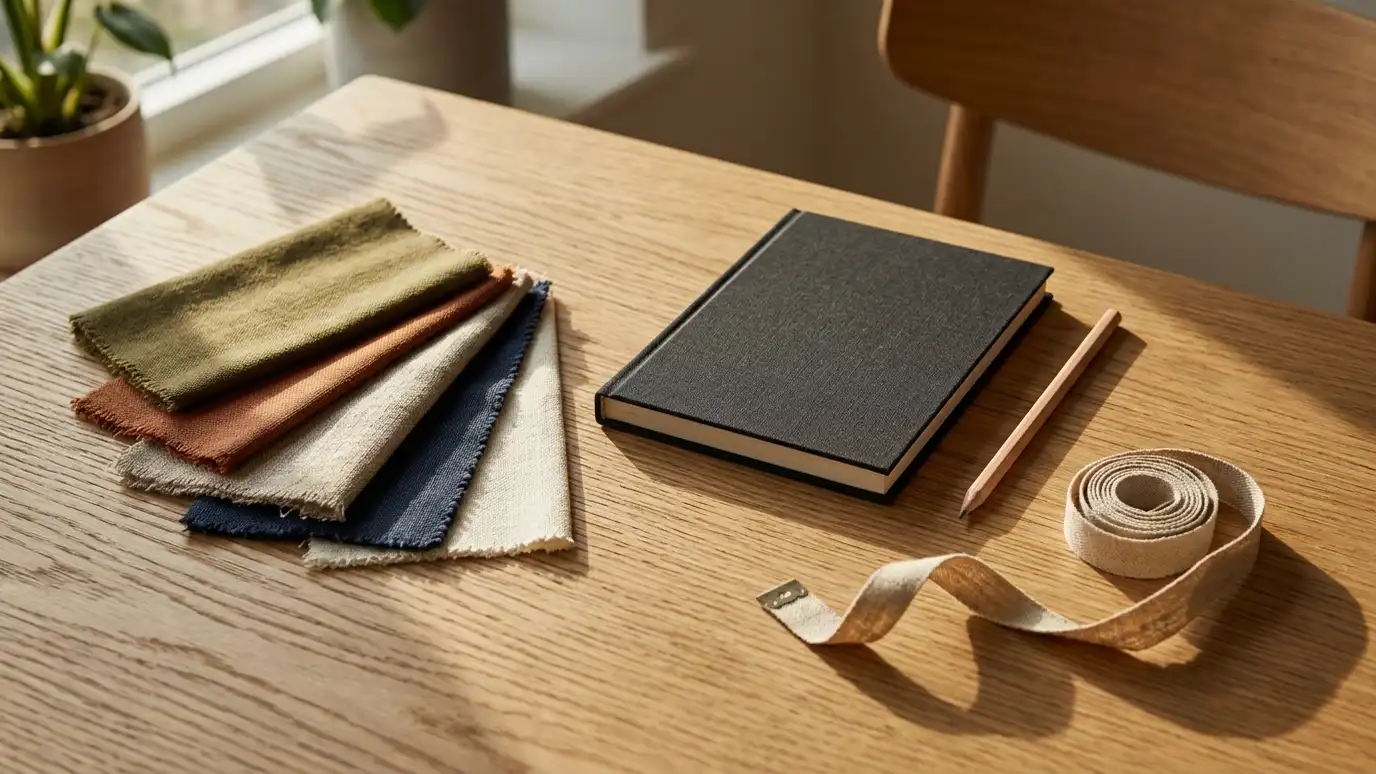 Window Treatment Budget PlannerPick blinds, shades, shutters, drapery, motorization or a whole-home package, set the number of windows and add allowances like measuring, hardware and motors to see a ballpark planning range. Placeholder values only.Try it
Over time, yes, and performance fabrics and linings slow it. We explain what to expect.
Treatments and film reduce UV, and closing shades during bright hours helps most.
Composite, vinyl and faux wood handle humidity well.
 Comparison guideProcess and TimelineThe usual order of a window treatment project, from first visit and measuring to design, ordering, fabrication, installation…Learn more
 Comparison guideWhat Drives CostThe main factors that make one window treatment project cost more or less than another, such as size…Learn more
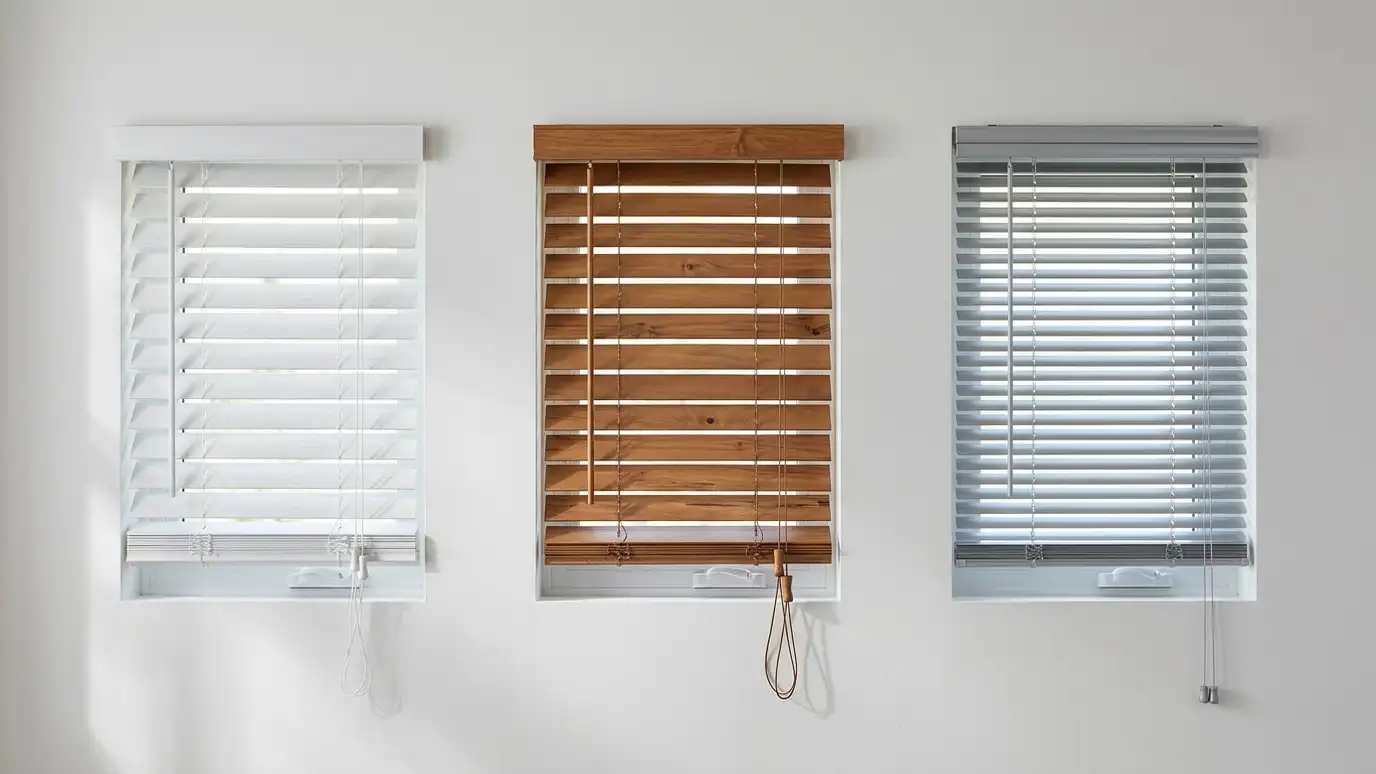 Comparison guideBlind Types ComparedHow faux wood, real wood and aluminum blinds differ in weight, moisture tolerance, looks, cleaning and cost drivers.Learn more
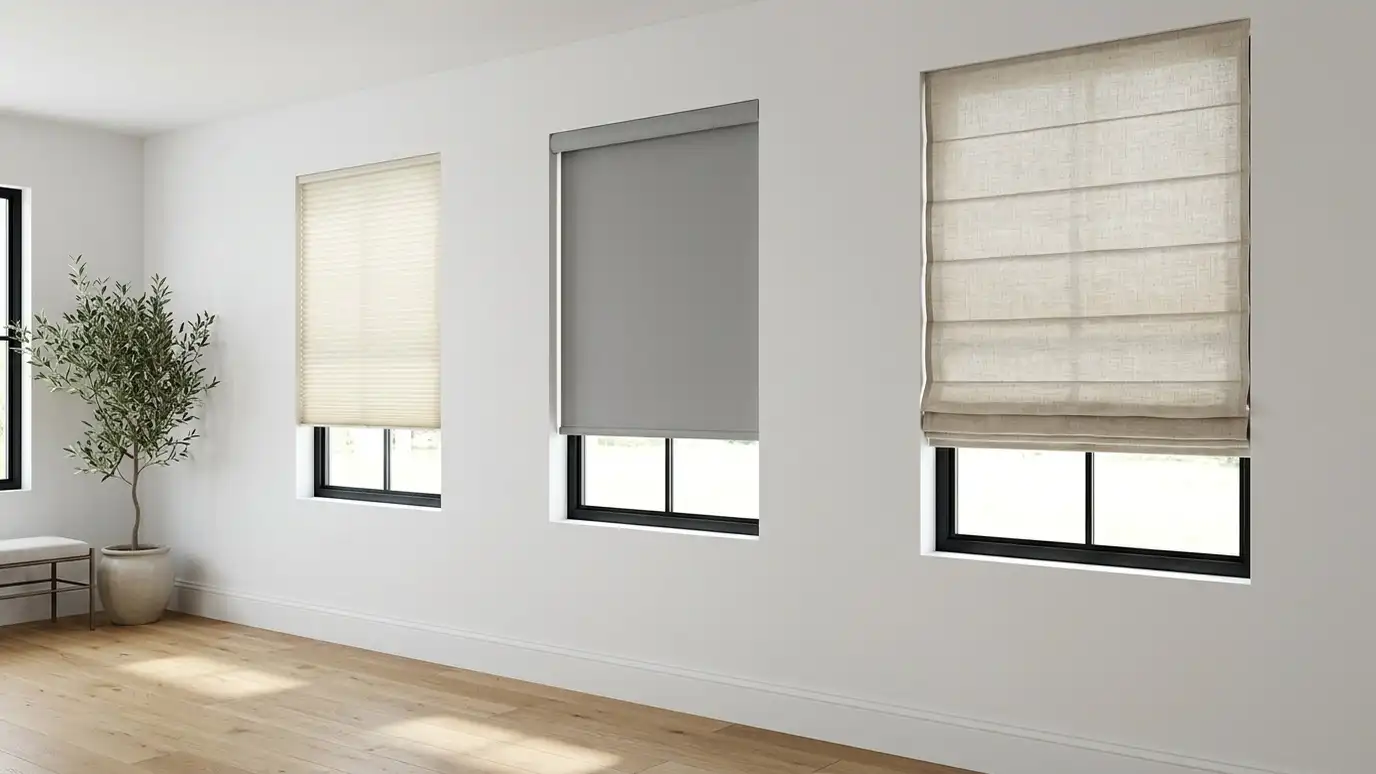 Comparison guideShade Types ComparedHow cellular, roller and Roman shades differ in looks, light control, insulation, privacy and fabric choices.Learn more
Call us and describe your windows. We will visit, measure and give you a clear written estimate.