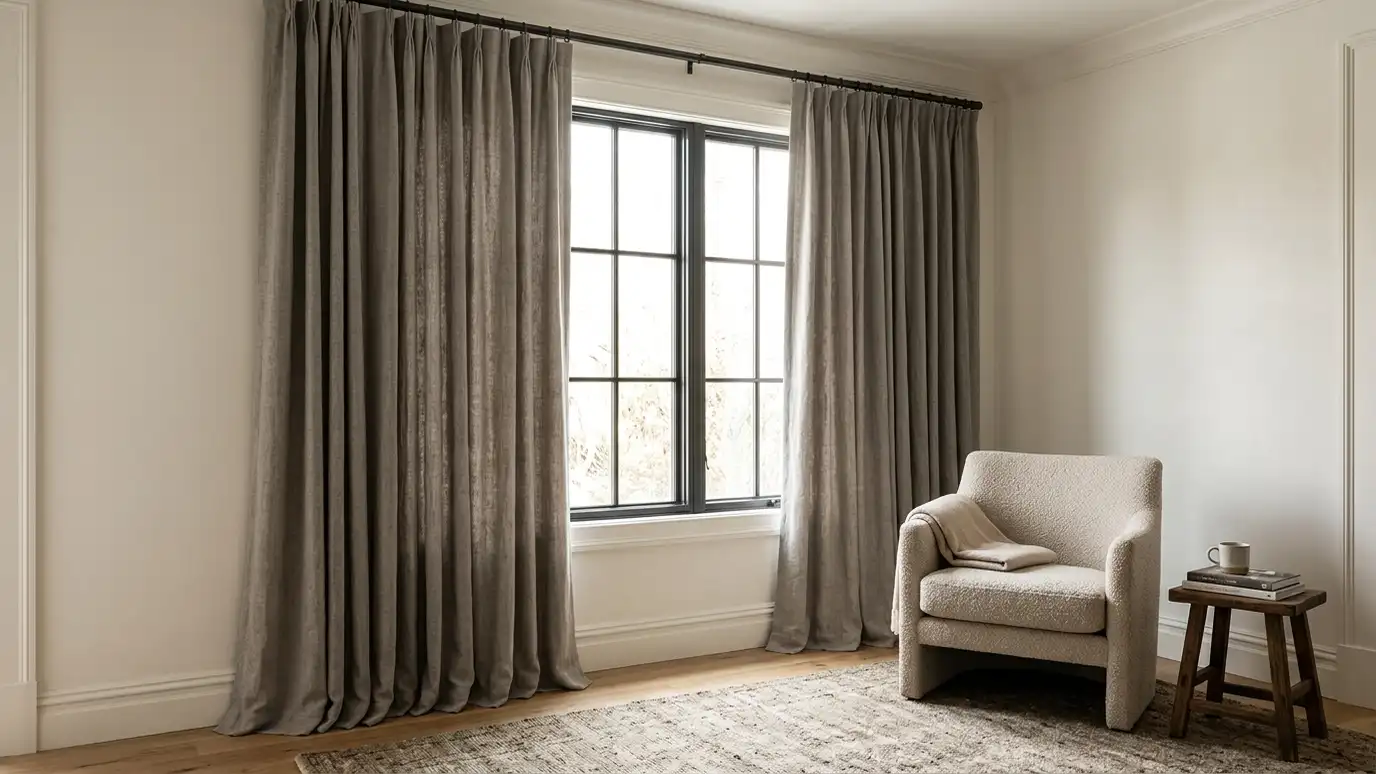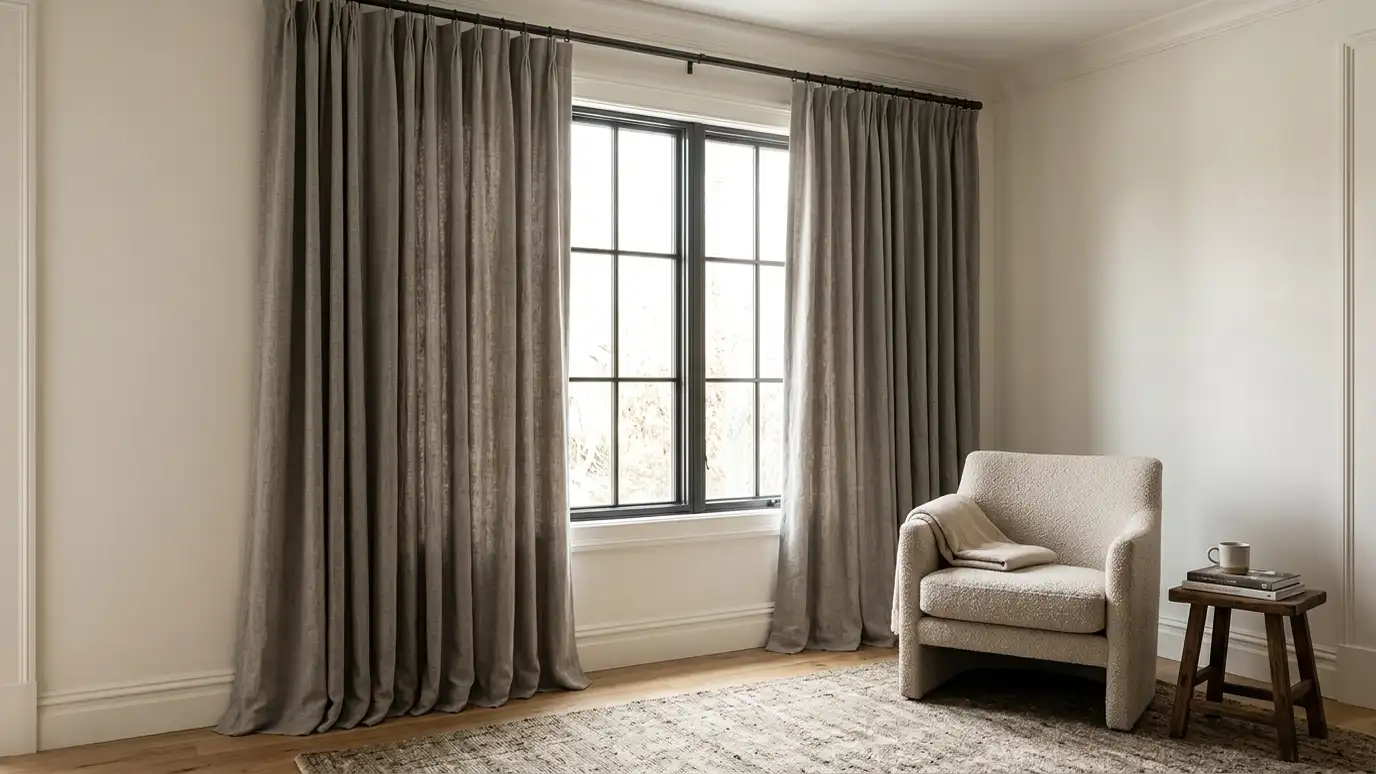
Drapery liners, interlining and weights that add body, blackout, insulation and a clean hang, added to new or existing drapes so they last longer and fall better.
A good liner changes how drapes look and behave. It protects the face fabric from sun, adds body and blocks more light. Homeowners in Nashville add liners to new drapes and sometimes to old ones.
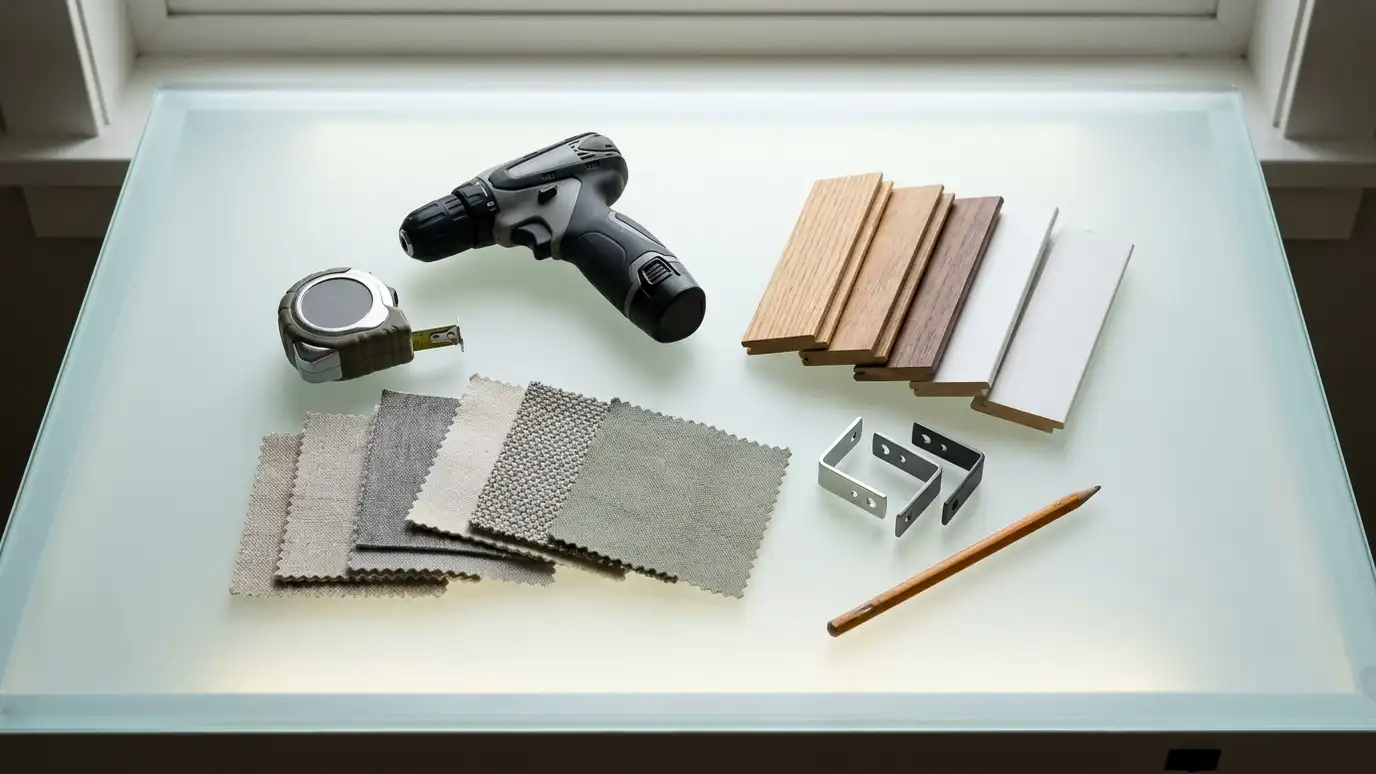
We explain the choices: a standard cotton lining for protection, a blackout lining for darkness and an interlining for a plush, heavy fall. We discuss sewn-in and removable liners, and how weights in the hem and corners help panels hang straight. We can line existing drapes when the fabric suits it, and we explain the tradeoffs in weight and in how the rod must carry the load. Liners are the invisible part of drapery that changes how it hangs. We show samples of different linings and let you feel the weight and drape in your hand. You will see how a blackout lining adds body and how an interlining creates a plush, full look. Choosing the right lining is the quiet secret behind drapes that look expensive. We also check the hem allowance, since a lining can shorten a panel slightly and the length should still land exactly where you planned it.
Standard, blackout and interlined options each change body, light control and warmth.
Sewn-in liners hang as one, and removable liners are easy to clean and swap.
Hem and corner weights help panels fall straight and keep their shape.
A heavier drape needs a rod and brackets that can carry the added weight.
Drag the handle to compare.
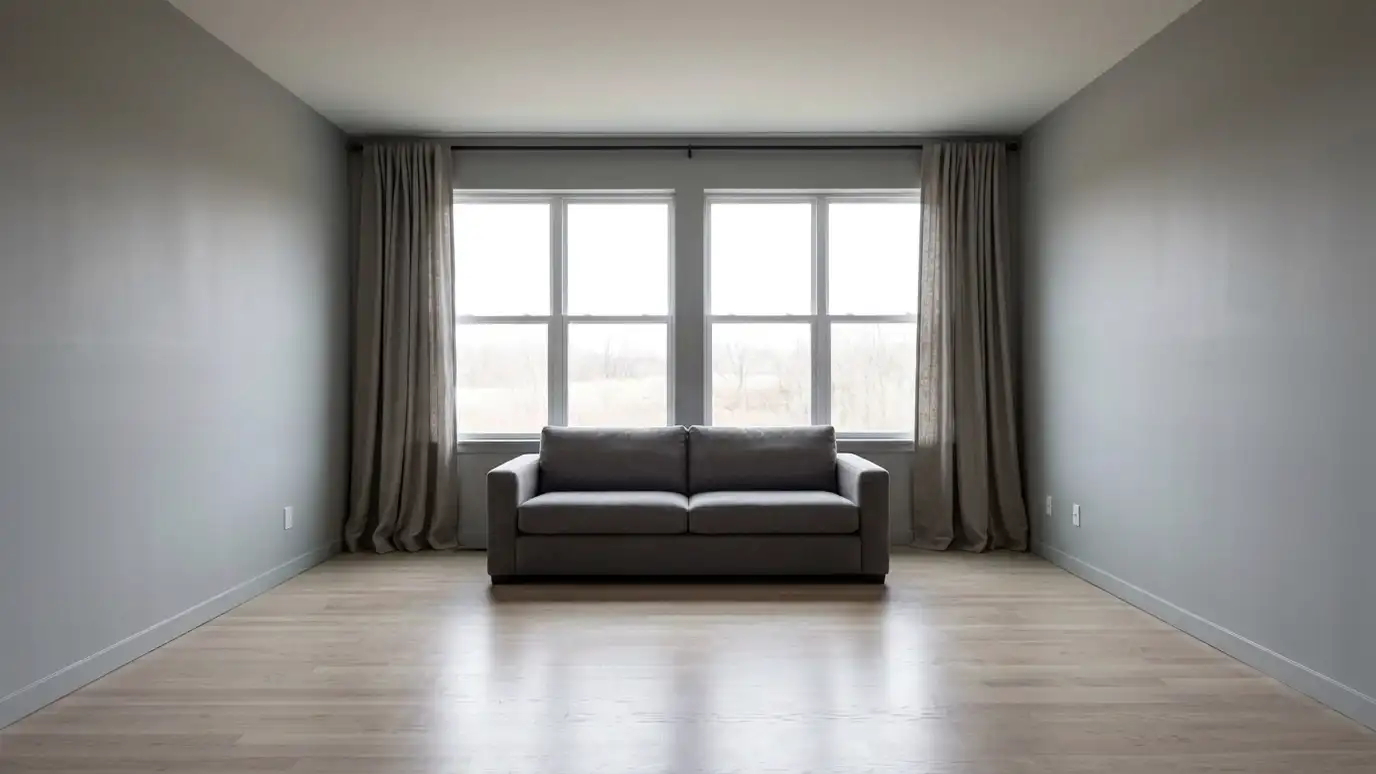
 BeforeAfter
Less sun wear.
Darker rooms.
Plush fall.
Straight hang.
Often upgradable.
Strong support.
Every topic has its own page with what to expect and how we approach it.
 ResourceASIDA professional society for interior designers with design resources, education and information about working with a designer.Learn more
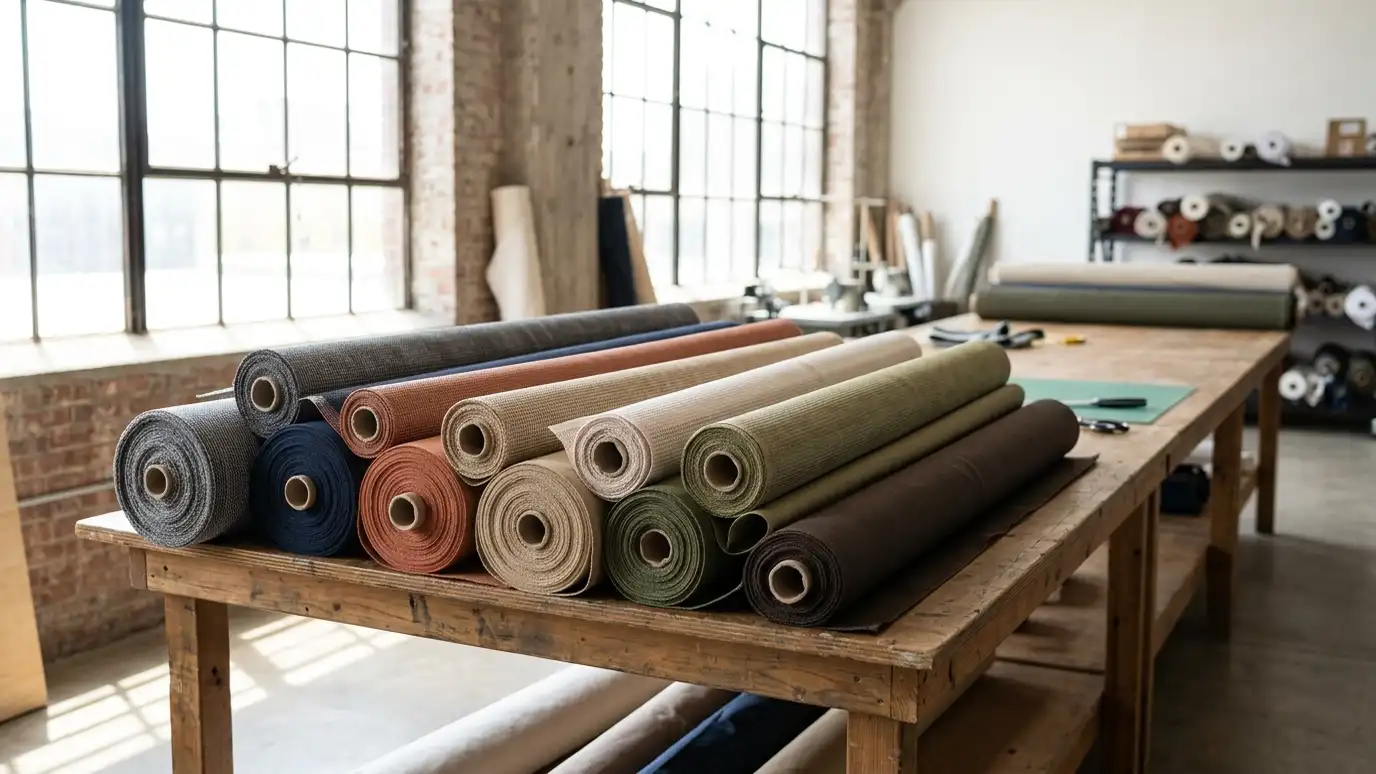 ResourcePhifer SheerWeaveA maker of woven fabrics for solar shades and screens, with openness levels and colors chosen for glare…Learn more
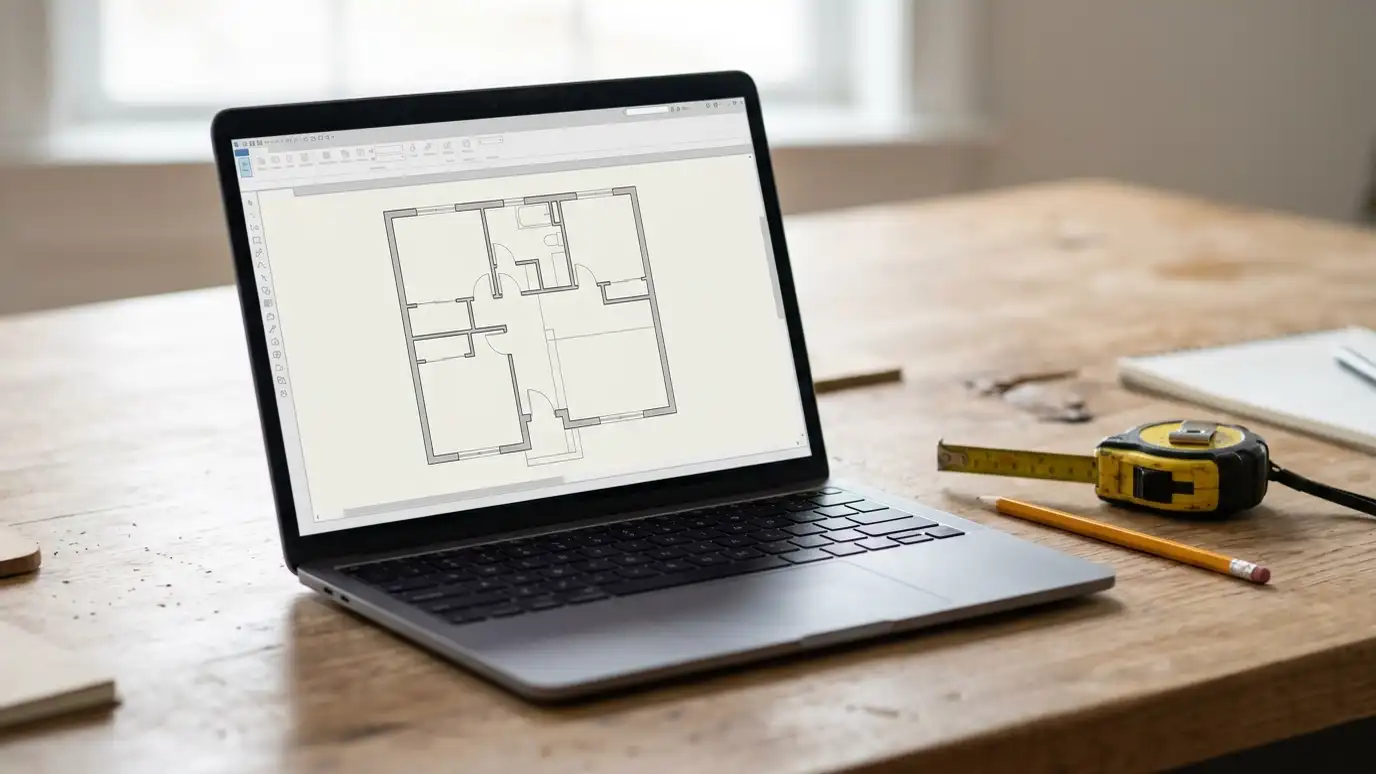 ResourceRoomSketcherAn online tool for drawing floor plans and 3D views of rooms and homes, with furniture, windows and…Learn more
Answer five questions about the room, light, privacy, style and timing to see which window treatments to look at first.
You tell us what you want from your windows, such as light control, privacy, style or energy, and we ask about the rooms and your timing.
We look at each window, measure width, height and depth, check obstructions and talk through ideas on site with samples.
You get a plain written estimate with the products, fabrics, colors, mounts and schedule before anything is ordered.
We order your custom treatments, check them on arrival and plan the installation around your schedule.
We mount the hardware, hang each treatment level, set the lift and tilt and show you how everything works.
We walk the finished rooms with you, leave a care guide and make it easy to schedule a checkup or an adjustment.
Often yes, if the fabric and construction suit it. We take a look first.
Blackout linings block much more light than a standard lining.
A soft layer between the face fabric and lining that adds body and insulation.
Some are removable and washable. We explain care for each.
No. They are hidden in the hem and corners.
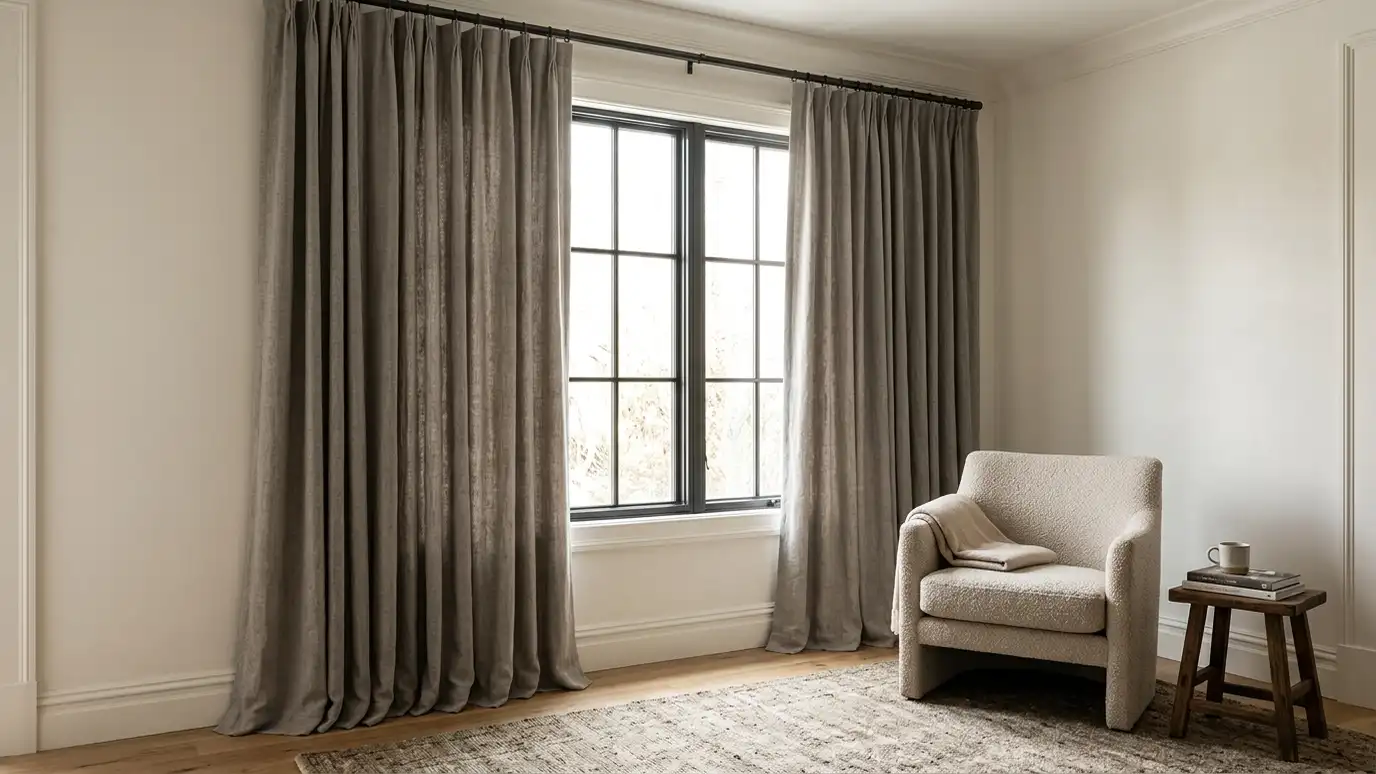 Custom DraperiesCustom draperies made to your measurements in linen, velvet, cotton and blends, with pleats, lining and hardware that…Explore
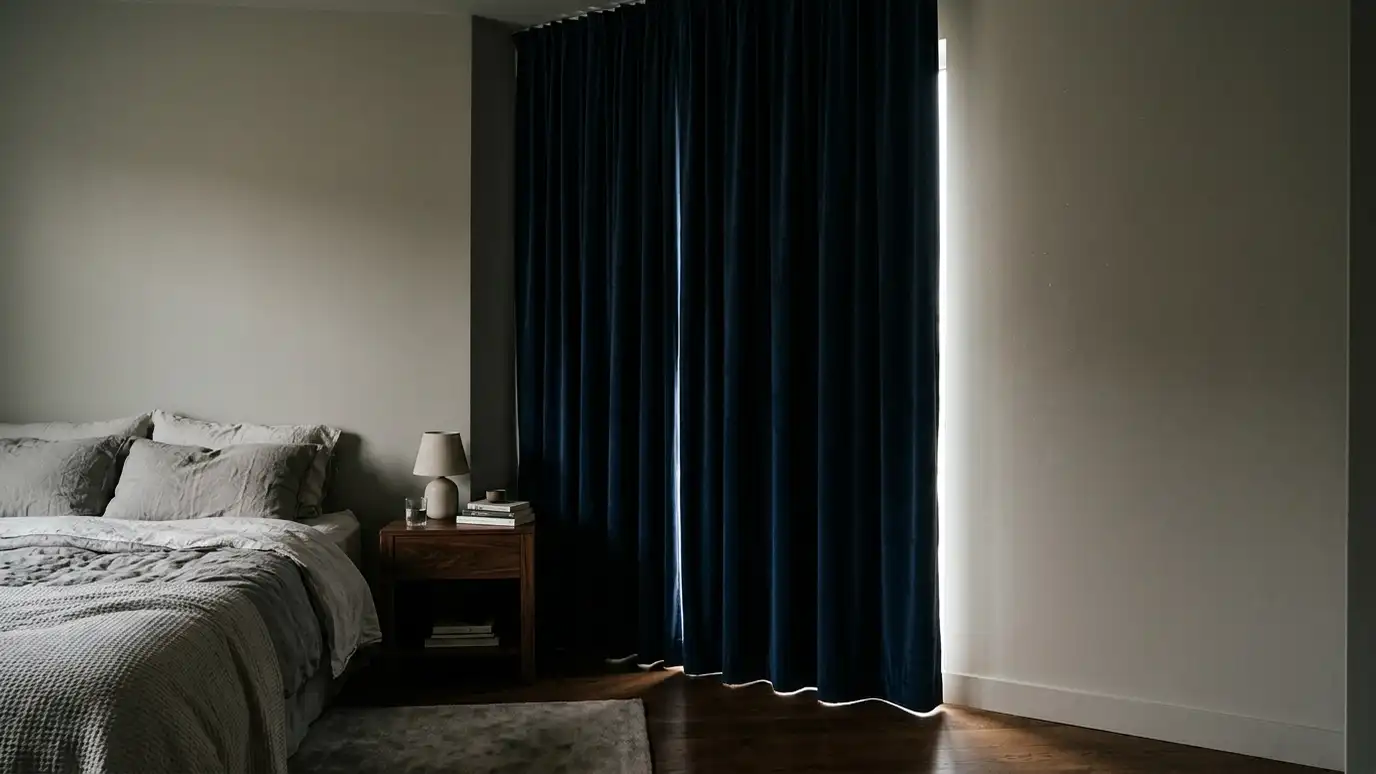 Blackout Curtains and DrapesBlackout curtains and drapes with opaque lining and side returns that block light and soften sound, for bedrooms…Explore
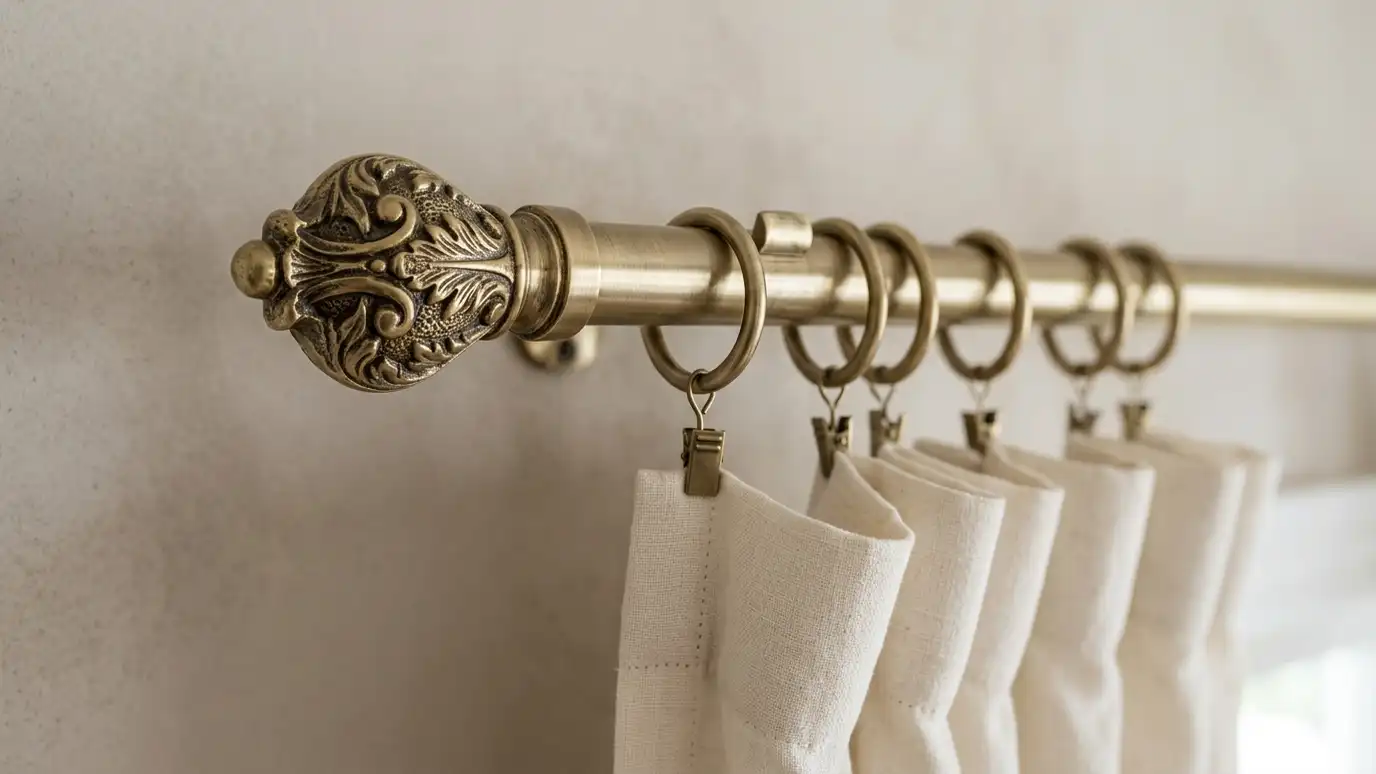 Rods and HardwareDrapery rods, brackets, finials, rings and tracks in metal and wood finishes, sized for the weight of your…Explore
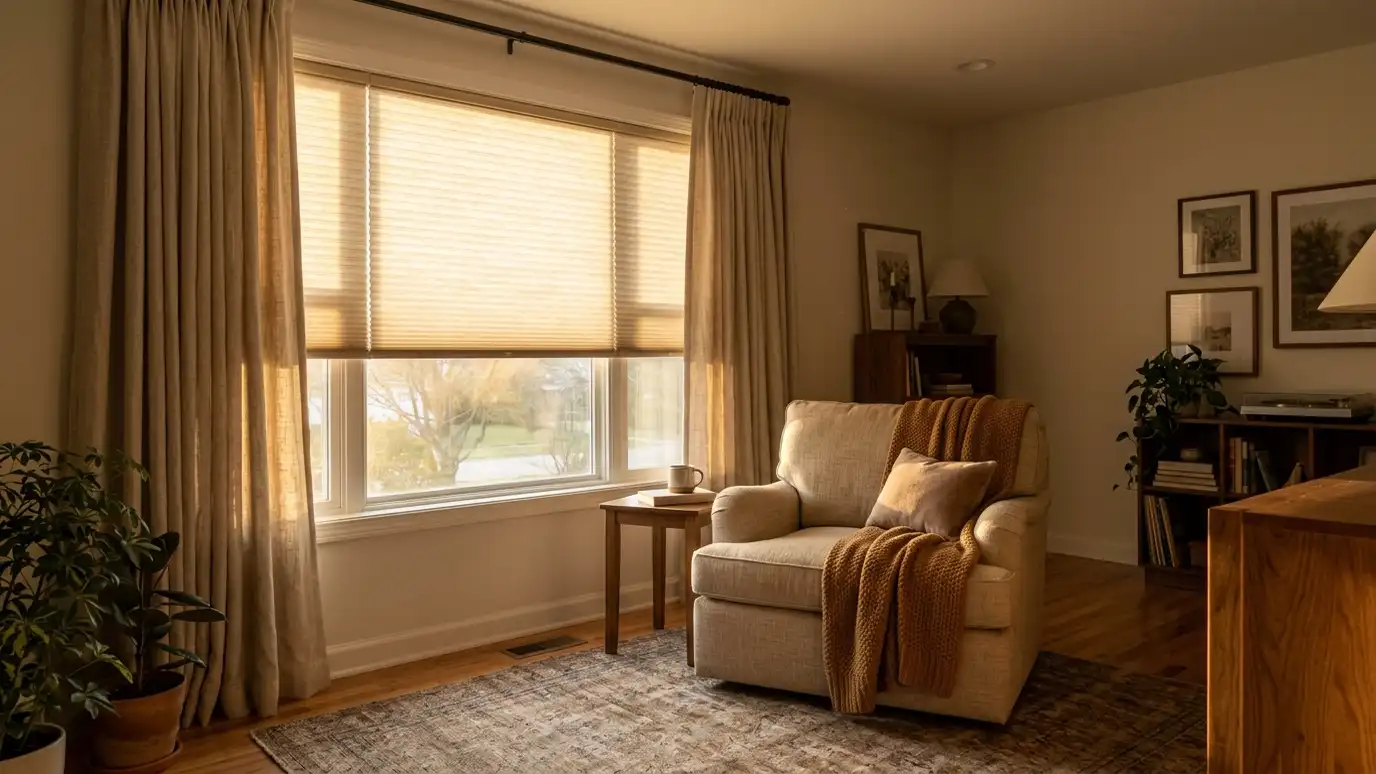 Energy-Efficient TreatmentsEnergy-efficient window treatments such as cellular shades, insulated drapery and solar shades that reduce sun heat in summer…Explore
Tell us about your windows and your idea and we will call you back to set up a visit.
Or call (615) 357-7797 to talk now.